Most homeowners don’t actually want to know how much an interior designer costs. They want to know if it’s worth it.
If you’re planning a renovation, building a custom home, or furnishing an entire space, you’re not just hiring someone to “pick pretty things.” You’re hiring a strategic partner to manage complexity, protect your investment, and elevate every decision.
Here’s what full-service interior design really costs in 2026 — and why.
Full-service interior design is often misunderstood.
It is comprehensive project leadership from concept through installation.
If you are hiring a full-service interior designer for a renovation, new build, or whole-home furnishing project, or even a room or two - here is what that typically includes.
Discovery and Design Direction
Every project begins with clarity. We define your aesthetic vision, functional needs, and long-term goals through in-depth consultation and concept development. This includes space planning, preliminary layouts, and cohesive material direction.
Technical Drawings and Planning
Full-service interior design includes scaled floor plans, lighting layouts, custom millwork elevations, tile detailing, and finish specifications. These documents guide contractors and protect your investment during construction.
Material and Finish Selections
From flooring and countertops to hardware and paint palettes, every finish is selected in context to ensure cohesion across the entire home. This eliminates decision fatigue and prevents costly design missteps.
Vendor and Contractor Coordination
We communicate directly with builders, trades, and fabricators, reviewing shop drawings and conducting site visits to maintain alignment with the design intent. Instead of managing dozens of moving parts, you have one strategic point of contact.
Custom Sourcing and Procurement
Luxury interiors often rely on trade-only vendors and custom manufacturers. Full-service interior design includes sourcing, order placement, lead time management, warehouse receiving, damage resolution, and white-glove delivery coordination.
Installation and Styling
Installation is a coordinated transformation. Furniture placement, art installation, window treatments, and final styling are overseen to ensure the home feels elevated and complete.
Full-service interior design combines creative direction, technical documentation, project management, and procurement into one streamlined process. For homeowners investing in renovation or full-home furnishings, it provides efficiency, clarity, and a cohesive final result.

When homeowners search “how do interior designers charge” or “interior designer pricing explained,” they are usually trying to understand one thing: how fees are structured and what feels fair.
While every interior design firm is different, most full-service interior designers use one of three primary pricing models.
Hourly Interior Design Fees
Some designers charge an hourly rate for their time. This rate may range widely depending on experience, location, and project scope.
Hourly pricing is often used for: • Design consultations • Small decorating projects • Ongoing advisory work
While this model can feel straightforward, it creates unpredictability. Homeowners may hesitate to ask questions or request revisions because they are unsure how quickly the clock is running.
Hourly billing can be difficult to estimate accurately, which is why many luxury interior design firms move beyond this structure.
Flat Fee Interior Design
A flat fee interior design model establishes a set design fee for a defined scope of work. This fee is typically calculated based on project complexity, square footage, and the level of involvement required.
Flat fee interior design often includes: • Concept development • Space planning and documentation • Finish selections
Depending on the designer, it may also include vendor coordination and installation oversight too.
This structure provides clarity and financial transparency. Clients understand their design investment upfront, and the design team can focus on outcomes rather than tracking every incremental hour.
For full-service interior design projects, flat fee pricing is often preferred because it aligns with comprehensive project management.
Percentage of Project Cost
Some interior designers charge a percentage of the overall construction or furnishings budget. This percentage may apply to renovation costs, furnishings procurement, or both.
This structure is common in large-scale renovations and custom home builds, where the scope evolves over time.
Percentage-based pricing reflects the reality that more complex and higher-budget projects require deeper involvement, coordination, and oversight.
Layered Interior Design Pricing
In luxury interior design, pricing is often layered.
This means there is: • A professional design fee • A furnishings and procurement investment
The design fee compensates the firm for expertise, creative direction, documentation, and project management. The furnishings investment covers custom pieces, trade-only sourcing, and product procurement.
Separating these components creates clarity. Clients understand that design is a professional service, while furnishings are a separate tangible investment.
Understanding these pricing structures helps homeowners compare firms accurately. The lowest number on paper does not always reflect the total project cost or the level of service provided.
Full-service interior design pricing is not simply about furniture. It reflects strategy, coordination, and the protection of a significant home investment.
One of the most common questions homeowners ask is why interior design pricing varies so widely from project to project.
The answer is simple: no two homes, clients, or scopes are the same.
When searching “how much does interior design cost,” it is important to understand the variables that influence pricing.
Project Scope and Complexity
A single-room furnishing project is fundamentally different from a whole-home renovation. The number of rooms, custom elements, and construction layers directly impact the design fee and overall investment.
A cosmetic refresh requires a different level of documentation and coordination than relocating walls, redesigning kitchens, or specifying custom millwork throughout a home.
Square Footage
Larger homes require more detailed planning, additional furnishings, and expanded coordination with trades and vendors. Even if two living rooms appear similar visually, scale alone can shift the investment significantly.
Geographic Location
Interior design costs vary by region due to labor rates, contractor pricing, shipping logistics, and access to trade resources. A project in Dallas may have different pricing dynamics than one in New York, California, or a secondary market.
Customization Level
Retail furniture creates one budget range. Custom upholstery, bespoke cabinetry, artisan lighting, and specialty finishes create another.
The more tailored the design, the more involved the sourcing, documentation, and coordination become.
Layering and Detail
Luxury interiors are layered. That layering includes:
• Custom window treatments
• Architectural lighting plans
• Built-in storage solutions
• High-end hardware
• Premium materials
• Detailed styling and installation
Homes that feel elevated rarely achieve that result through minimal specification. Depth creates distinction.
Timeline and Project Management Intensity
Compressed timelines, phased renovations, or complex contractor coordination require increased involvement from the design team. Time sensitivity often adds logistical complexity that must be managed strategically.
The bottom line is this: interior design pricing reflects scope, complexity, customization, and oversight.
Comparing projects without understanding these variables is like comparing custom construction to production housing. The outcomes — and the level of expertise required — are fundamentally different.
For homeowners investing in a renovation or whole-home furnishing project, understanding these factors creates clarity and sets realistic expectations for both design fees and overall investment.
Not every project requires full-service interior design.
But if you are planning a renovation, building a custom home, or furnishing multiple rooms at once, professional oversight can protect both your investment and your sanity.
You may be ready to hire a full-service interior designer if:
• You are making structural or construction-level changes
• You want a cohesive, whole-home result rather than room-by-room decisions
• You value efficiency and expert guidance over DIY experimentation
• You prefer white-glove procurement and installation
• You want one strategic point of contact managing the process
Full-service interior design is not about adding expense. It is about adding structure, strategy, and clarity to a complex project.
For homeowners investing in renovation or whole-home furnishings, the design fee represents leadership. It ensures that every material, vendor, and decision aligns with a unified vision.
When done well, it eliminates costly revisions, reduces decision fatigue, and creates a finished home that feels intentional rather than assembled.
We are an interior design firm based in Dallas, TX and working with clients nationwide.
Our process combines strategic planning, technical documentation, trade-only sourcing, and white-glove execution to deliver homes that are elevated, cohesive, and deeply personal.
If you are planning a renovation or furnishing project and want experienced guidance from concept through installation, we invite you to schedule a consultation/Discovery Call (whatever your process is).
A well-designed home begins with clarity.
And clarity begins with the right partner. Contact us today!
You may also enjoy our blog post on The Difference of an Interior Designer vs. a Decorator.
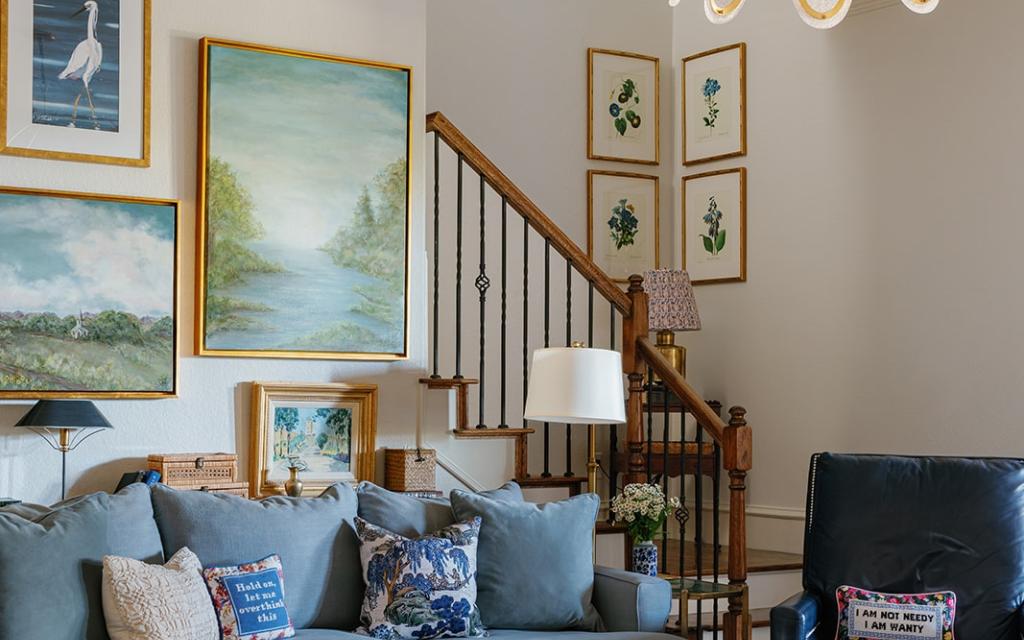
The best homes aren't designed around a checklist of rooms or the latest design trend. They're…
View Post
You have a career to manage. A family to care for. Travel, commitments, responsibilities—and a…
View Post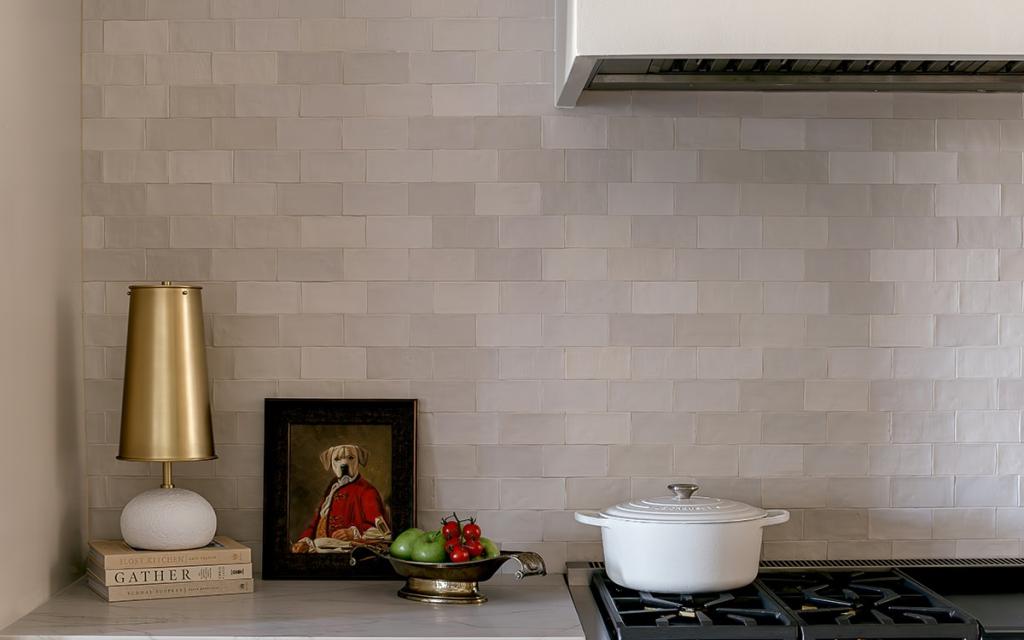
Walk into enough beautifully designed homes and you start to notice something: the most memorable…
View Post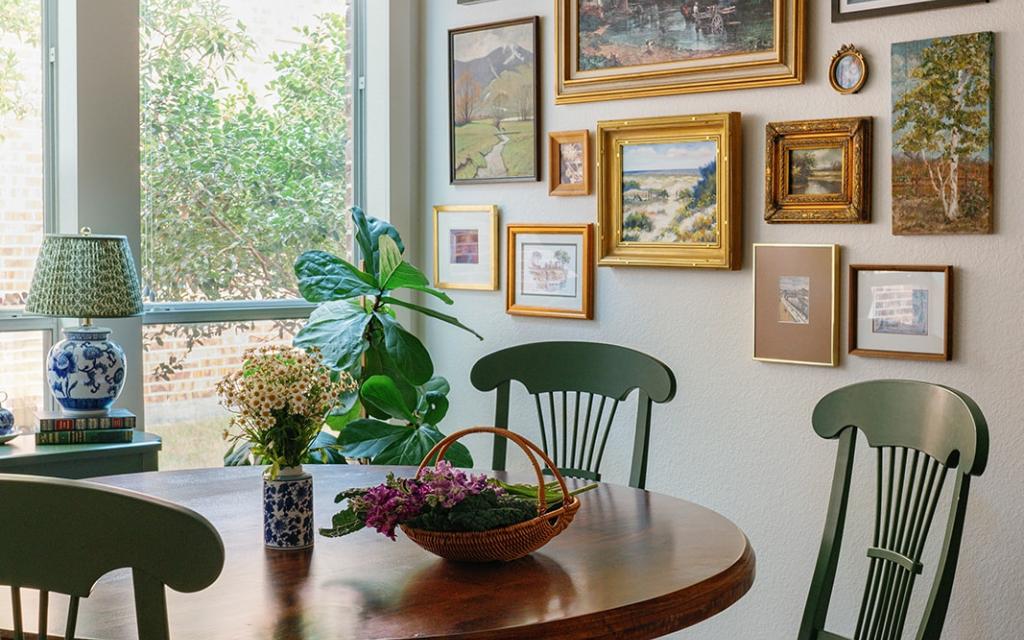
Your Pinterest Board Is Not a Design Plan (And That's Okay) Most of our clients come to their first…
View Post