Everyone notices the beautiful kitchen island. The gorgeous lighting. The perfectly chosen wallpaper.
But the real success of a renovation often comes down to the things nobody compliments at a dinner party.
The light switch that's exactly where you need it. The cabinet that opens without bumping into anything. The doorway that gives you a beautiful view into the next room. The storage you don't realize you need until you have it.
These are the decisions that make a home feel effortless. And they're usually made long before the pretty things arrive.
At ML Interiors Group, we believe good design tells a story. And while the finishes might be the most photogenic part of a renovation, the details behind them are what make that story work. Before the demolition begins, here are seven things worth thinking through.
1. What Do You See When You Walk Into a Room?
First impressions aren't just for people. They're for rooms, too.
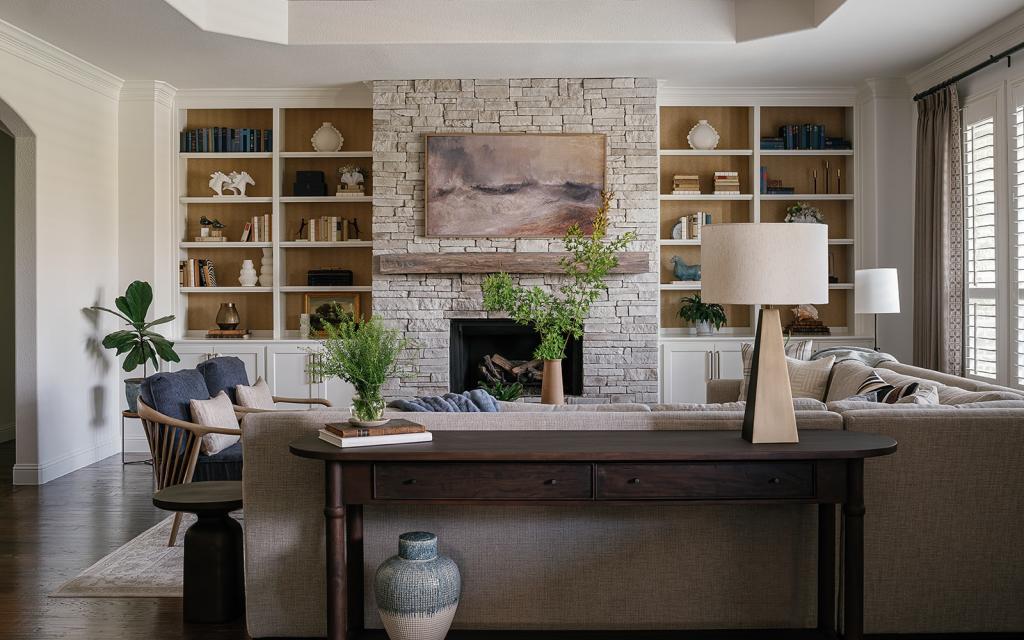
When you walk through your front door, enter the kitchen, or turn the corner into a living room, what catches your eye? Ideally, your view feels intentional. Perhaps it's a beautiful piece of art, a striking light fixture, or a glimpse of a thoughtfully designed space beyond.
Creating those sightlines takes planning. Wall openings, furniture placement, doorways, and even the location of a kitchen island can influence what you see from one room to the next. A renovation is an opportunity to make those views work together instead of treating every room as an independent project.
The goal isn't to make every space look the same. It's to create a home that feels connected, with each room offering its own personality while contributing to the bigger picture.
2. The Art of Getting From Here to There
Have you ever walked into a beautiful room only to find yourself navigating around a chair, squeezing past an island, or awkwardly sidestepping an open cabinet door?
That's a design problem, not a furniture problem.
Traffic flow is one of the most important, and least glamorous, parts of renovation planning. How do people move through the kitchen while someone is cooking? Can guests gather around the island without blocking the path to the dining room? Can a bedroom door open fully without competing with a dresser?
These questions matter because a room can look wonderful on paper and still feel frustrating in real life. Thoughtful space planning accounts for how people move, where they pause, and how different activities overlap.
A beautiful room should welcome you in, not make you work to use it.
3. Lighting Is More Than a Pretty Fixture
We love a statement chandelier as much as anyone. But a gorgeous fixture can't do every lighting job in a room.
Successful lighting plans consider several layers: ambient lighting to illuminate the space, task lighting for activities like cooking or reading, and accent lighting to highlight artwork, architectural details, or favorite objects.
The magic is in how these layers work together. Under-cabinet lighting can make a kitchen more functional. Well-placed bedside lights can make a bedroom feel more comfortable. Picture lights can give a collected gallery wall the attention it deserves.
And here's the catch: lighting decisions need to happen early. Electrical plans, switch locations, ceiling details, and fixture placement all need to be coordinated before walls are closed up.
Otherwise, you may end up with a beautiful pendant exactly where you don't need it and a dark corner right where you do.
4. Outlets: Nobody Gets Excited, Until They Need One
Let's talk about the unsung hero of a well-designed home: the electrical outlet.
Where will you charge your phone? Plug in a lamp? Use a hair dryer? Connect the coffee maker without running a cord across the counter? Where will the television, speakers, and other electronics actually live?
These details may not make it onto your inspiration board, but they deserve a place in your renovation plans.
Think through how each room will be furnished and used before finalizing electrical locations. Consider furniture layouts, countertop appliances, work areas, and the places where you naturally reach for a charger.
It's a small detail with a surprisingly big impact. Because nothing interrupts a beautifully styled room quite like an extension cord stretched across the floor.
5. Storage Should Be Designed, Not Discovered
Storage is easy to underestimate when you're focused on finishes. It's also one of the easiest things to regret overlooking.
A gorgeous kitchen doesn't feel quite so gorgeous when every countertop is covered in appliances. A beautifully organized bathroom needs somewhere to put everyday essentials. And a stunning entryway still needs to accommodate shoes, bags, keys, and the things everyone drops the second they walk through the door.
Instead of asking only how much storage you need, consider what you're storing and where you'll use it.
Think about drawers near your prep area, concealed charging stations, linen storage where it makes sense, and cabinetry that takes advantage of otherwise wasted space. Consider the items you use every day as well as the things you need only occasionally.
Good storage doesn't simply give everything a place. It puts things where you need them, making everyday routines easier and keeping the focus on the design itself.
6. The Details Between the Details
A renovation rarely happens in just one room. Even when the project focuses on a kitchen or primary bathroom, the surrounding spaces still matter.
Flooring transitions, trim profiles, paint colors, hardware finishes, and the relationship between old and new materials can determine whether the finished home feels cohesive or pieced together.
Imagine a new kitchen that looks beautiful on its own but feels disconnected from the adjacent breakfast room. Or new flooring that meets the existing flooring in a way that feels abrupt rather than intentional.
These aren't necessarily dramatic design decisions, but they require a thoughtful eye. Materials should complement one another, architectural details should feel considered, and transitions should make sense from room to room.
This is especially important in older homes, where preserving the right original details while introducing new elements can give a renovation its character.
The best results often come from knowing where to create contrast and where to let things flow.
7. Plan for the Home You'll Have, Not Just the One You Have Today
A renovation is a significant investment of time, energy, and resources. It's worth considering not only how your home works right now, but how you want it to serve you in the years ahead.
Perhaps you need a guest room that can double as an office. Maybe your family gathers in the kitchen more than anywhere else, so seating and circulation deserve extra attention. Or perhaps you're ready to create a more comfortable primary suite that feels like a retreat from a busy day.
You don't have to predict every future change. You simply need to think beyond the immediate wish list.
Flexible spaces, well-planned storage, durable materials in high-use areas, and thoughtful lighting can help a home adapt as needs evolve. These choices may not be the most exciting part of the design process, but they can make a meaningful difference in how well your home serves you over time.
The Best Renovations Begin Before Demo Day
It's easy to get caught up in the fun parts of renovating. The stone samples, the cabinet colors, the wallpaper you've been saving for years. Those decisions matter, and they're often what bring a home's personality to life.
But a successful renovation is about more than selecting beautiful things. It's about understanding how every decision affects the next, how individual rooms relate to one another, and how the finished home will feel to live in.
That's where thoughtful planning makes all the difference.
At ML Interiors Group, our approach is Smart. Sophisticated. Fun. We believe a well-designed home should be beautiful, personal, and considered from the big-picture layout down to the smallest details.
Because the best compliment isn't always, "I love your light fixture."
Sometimes it's simply, "Everything about this house just works."
And that's good design. Contact us today for more information on your home renovation project!
You may also enjoy this blog we wrote on Why Renovations May Feel Overwhelming.
A Beautiful Home Begins Long Before the Furniture Arrives It’s easy to fall in love with a sofa.Or…
View Post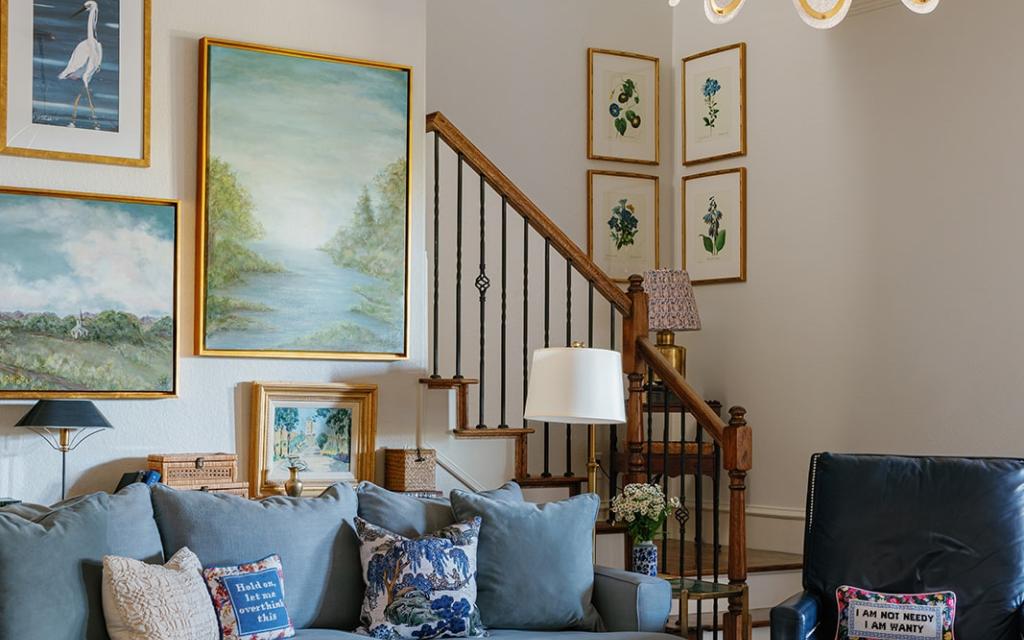
The best homes aren't designed around a checklist of rooms or the latest design trend. They're…
View Post
You have a career to manage. A family to care for. Travel, commitments, responsibilities—and a…
View Post
Walk into enough beautifully designed homes and you start to notice something: the most memorable…
View Post